

Forensic Photography
The Forensic Photography Division serves as the visual backbone of criminal investigations, bridging the gap between the crime scene and the courtroom. Our primary function is the permanent, accurate, and objective documentation of physical evidence and crime scenes. By utilizing advanced imaging techniques and state-of-the-art optical technology, we ensure that every detail—from microscopic trace evidence to complex situational layouts—is preserved with scientific integrity to stand the scrutiny of the Indian judicial system.
Division Scope
Crime Scene Documentation & Reconstruction, Specialized Evidence Imaging, Digital Forensic Imaging & Authentication and Court Room-ready reporting.
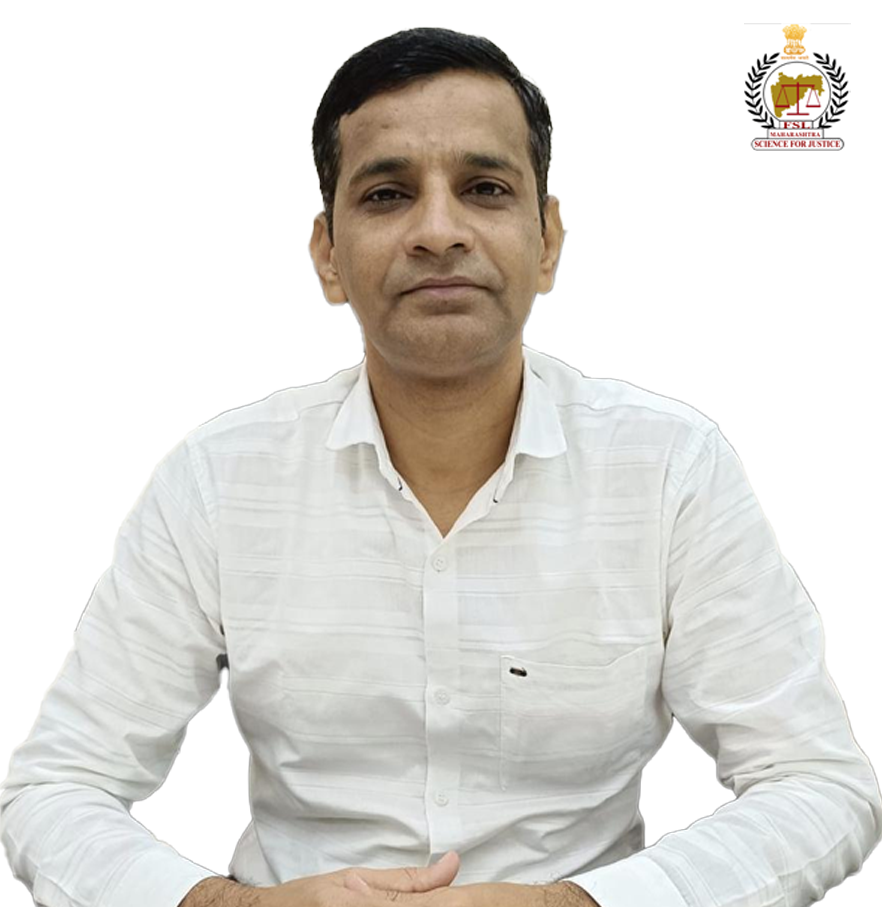
Division & Subject Head :
Dr K.B.Mulani
Designation :
Deputy Director
Email :
[email protected]
Phone :
Cases Received in Forensic Photography
Footprint
Tyre mark
Face Identification
Bite Mark
Tool Mark
Analyses Performed
Footprint Analysis & Tyre Marks
Foot mark and tyre mark analysis done by following methods-
- Analyzing Parameters
- Estimation Method
- Comparison Method
- Ink Foot and Tyre Print Test
Types of Print
- Digital Modern Methods
- 2D and 3D foot print scanning
- Computer assisted forensic matching
Dynamic Footprint Method
Face Identification
- Face Measurement Methods.
- Based on visual assessment of facial features.
- Face Indices
- Facial Comparison Method
- Physiognomic Features
- Photographic Superimposition Technique –
- Editing images with photoshop and by using different online software.